









PredictedAttention Hold
63%hold
0:000:19
Opens strong, then thins through the back half.
Attention
How long the brain stays locked in — second by second.
Join 50,000+ people
We tell you how real human brains interpret ads and content so you can optimize for whatever result you want from any human.
As Seen In
NEW APPROACH
Higher salary
Attractive people earn 10-15% more
Hamermesh, D. S., and J. E. Biddle. (1994). The American Economic Review.
Easier job interviews
Attractive job applicants are perceived as more qualified
Puleo, R. (2006). Journal of Undergraduate Psychological Research.
Bigger tips
Attractive servers receive $1261 more in tips annually
Parrett, M. (2015). Journal of Economic Psychology.
More sales
Customers are 55% more likely to buy from attractive sales people
Reingen, P. H., & Kernan, J. B. (1993). Journal of Consumer Psychology.
Personalized Analysis
The beauty industry is broken, with companies and doctors giving “one size fits all” advice, and many people undergoing unnecessary procedures they don’t need.
The old way
STEP 1
Fixate on one feature
STEP 2
Visit a clinic
STEP 3
No assessment
STEP 4
Unnecessary surgery
STEP 5
Poor results
The new way
STEP 1
Consider your face holistically
STEP 2
Qoves Analysis
STEP 3
See your future self
STEP 4
Personalized protocol
STEP 5
Real results
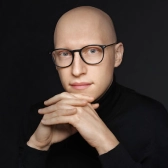
I'm thrilled by Qoves’ innovative approach to cosmetic care
Dr Gary Linkov
TOTAL DECODE
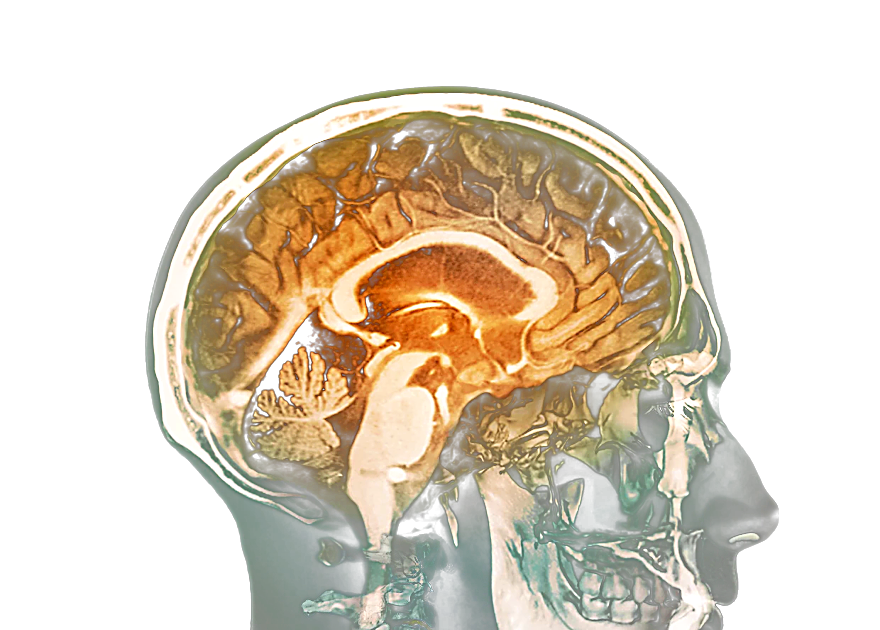
Every second, decoded. We read 160+ neural signals to show exactly how the brain responds — and the moment it turns away.
Attention Hold
56%
56% (You)
Drifting (0%)
Locked (100%)
Your ad reads in the mid arousal band.
Ad Timeline
Weak
Strong
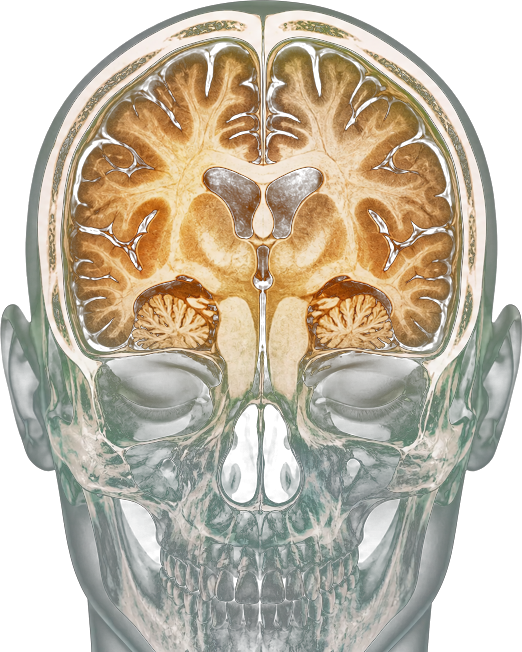
Personalized Analysis

Considers unique facial traits and characteristics common to your demographic.
Takes into account your individual style and preferences.
Considers diet, climate, stress, sleep, and habits.
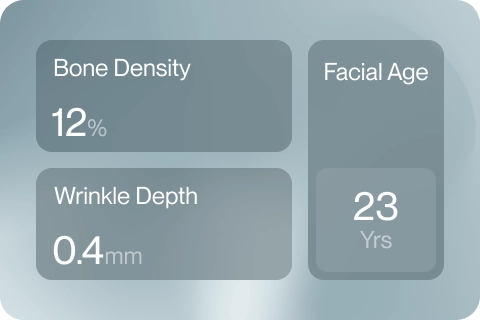
Considers how skin, bone, and fat distribution change over time.
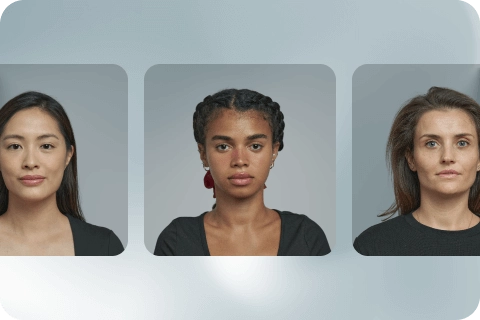
Adapts to regional and societal ideals.
Informative
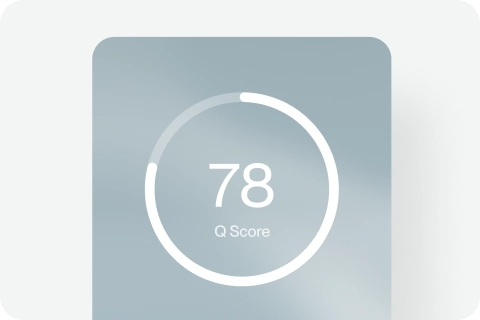
Your current Qoves® scores and potential for improvement.
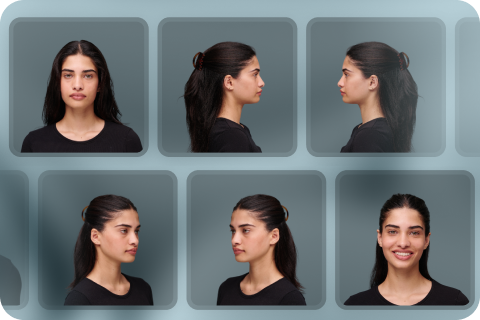
Detailed breakdowns on each facial feature.
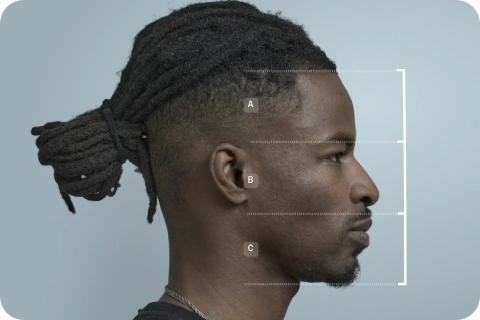
How your features work together.
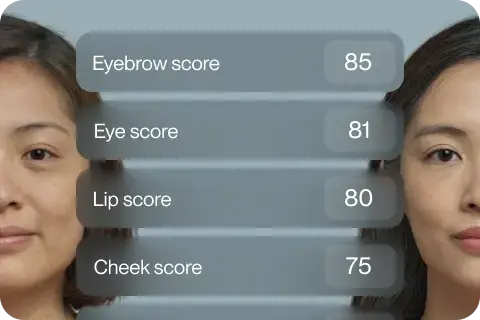
What you can improve without surgery.
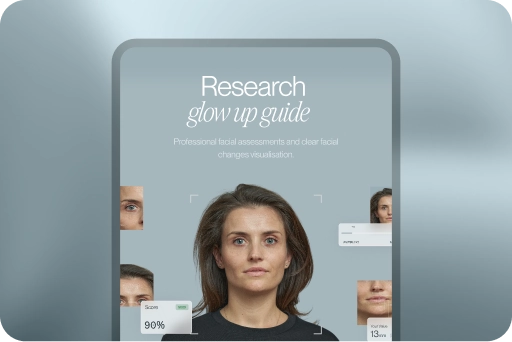
Scientific explanations for our recommendations.
Personalized Plan
Understand your facial features and take action today with a personalized plan designed for your unique facial structure.
Get your expert facial analysis
Visualize your best looking self
Get your personalized glow-up protocol
Track your progress and see visible changes
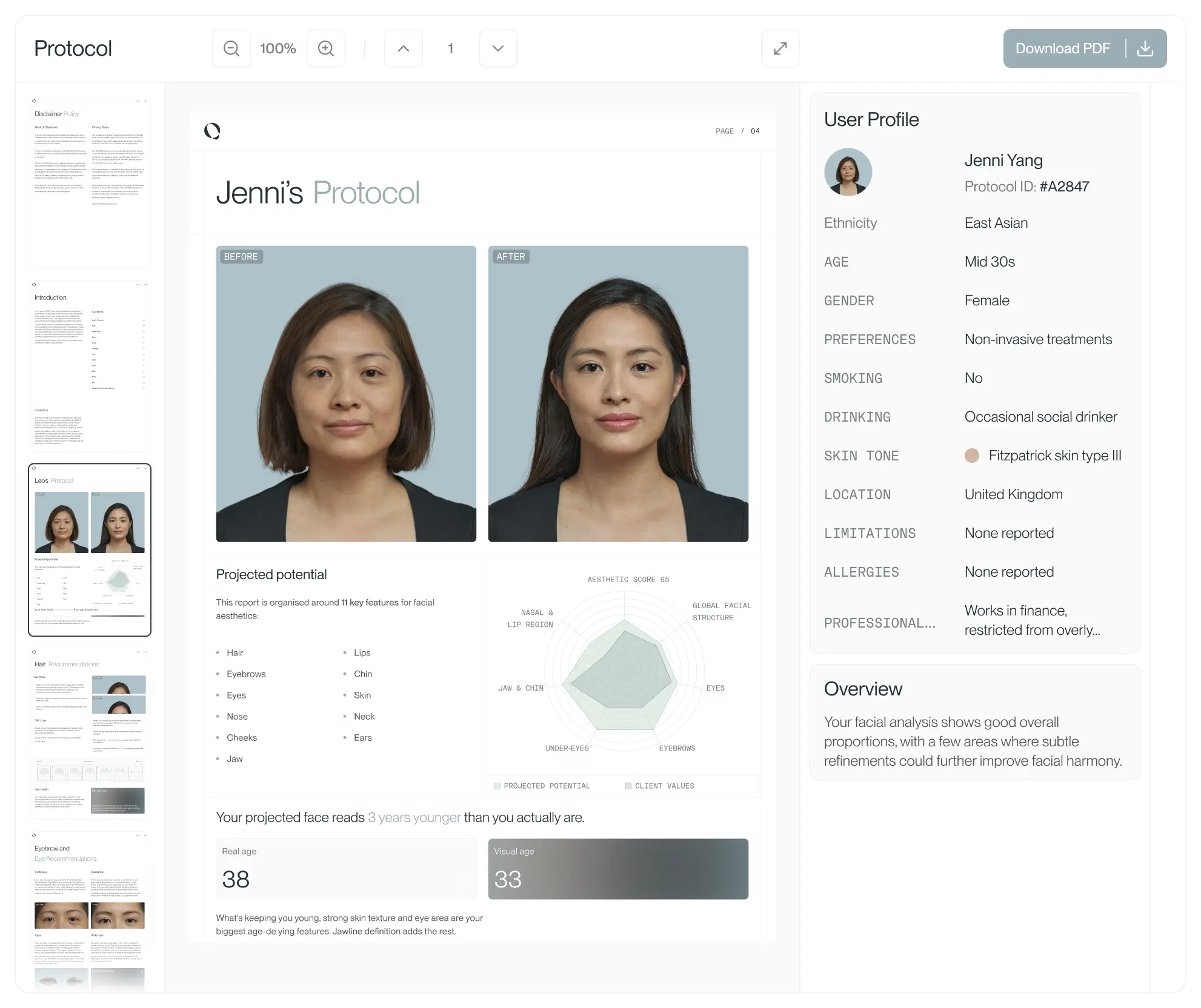
Surgery-free transformations
We combine advanced technology with expert knowledge to give you a personalized, science backed plan. Clear recommendations tailored to your features, goals, and preferences.
.webp "after")
.webp "before")
Before
Projection
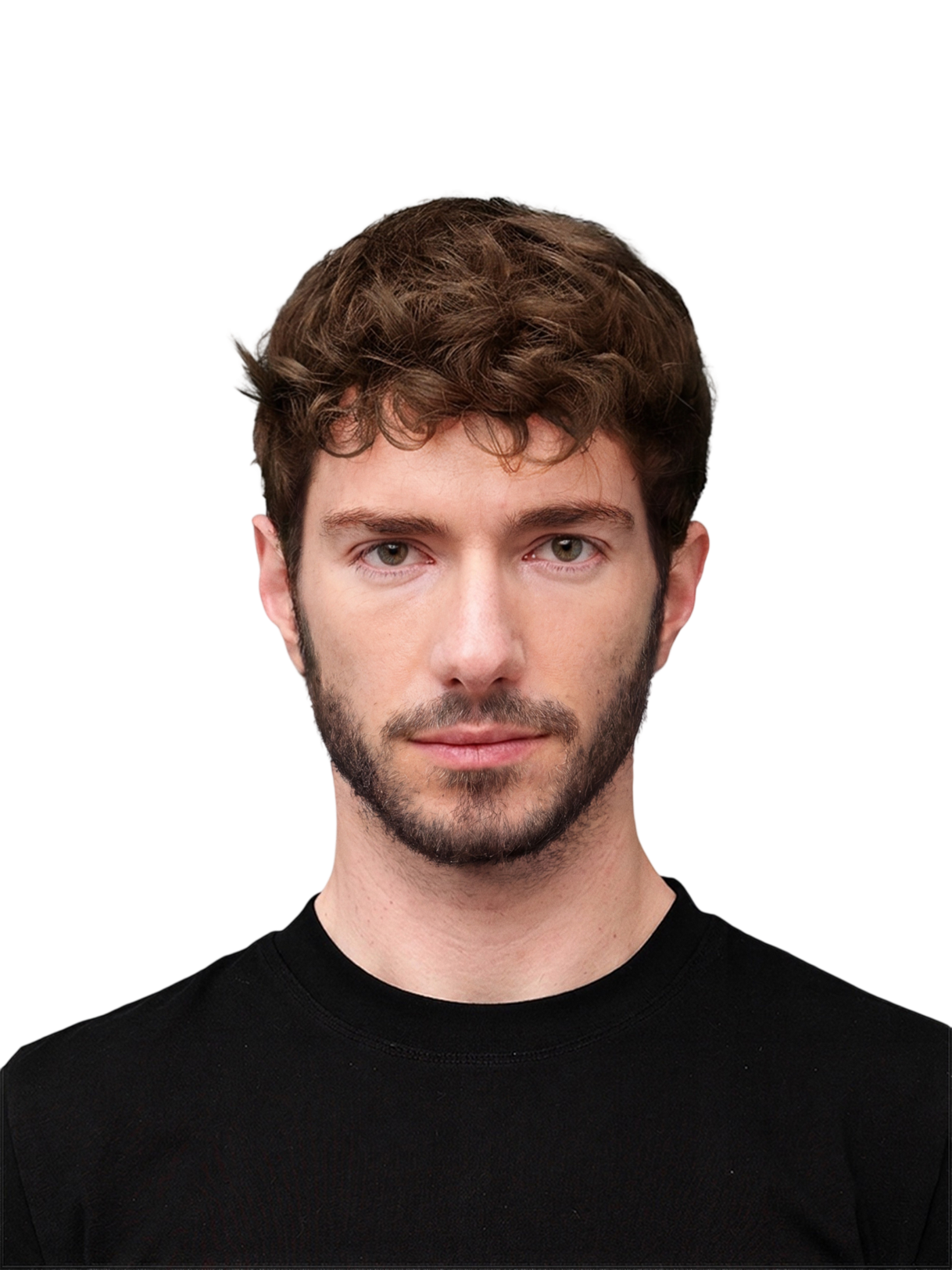
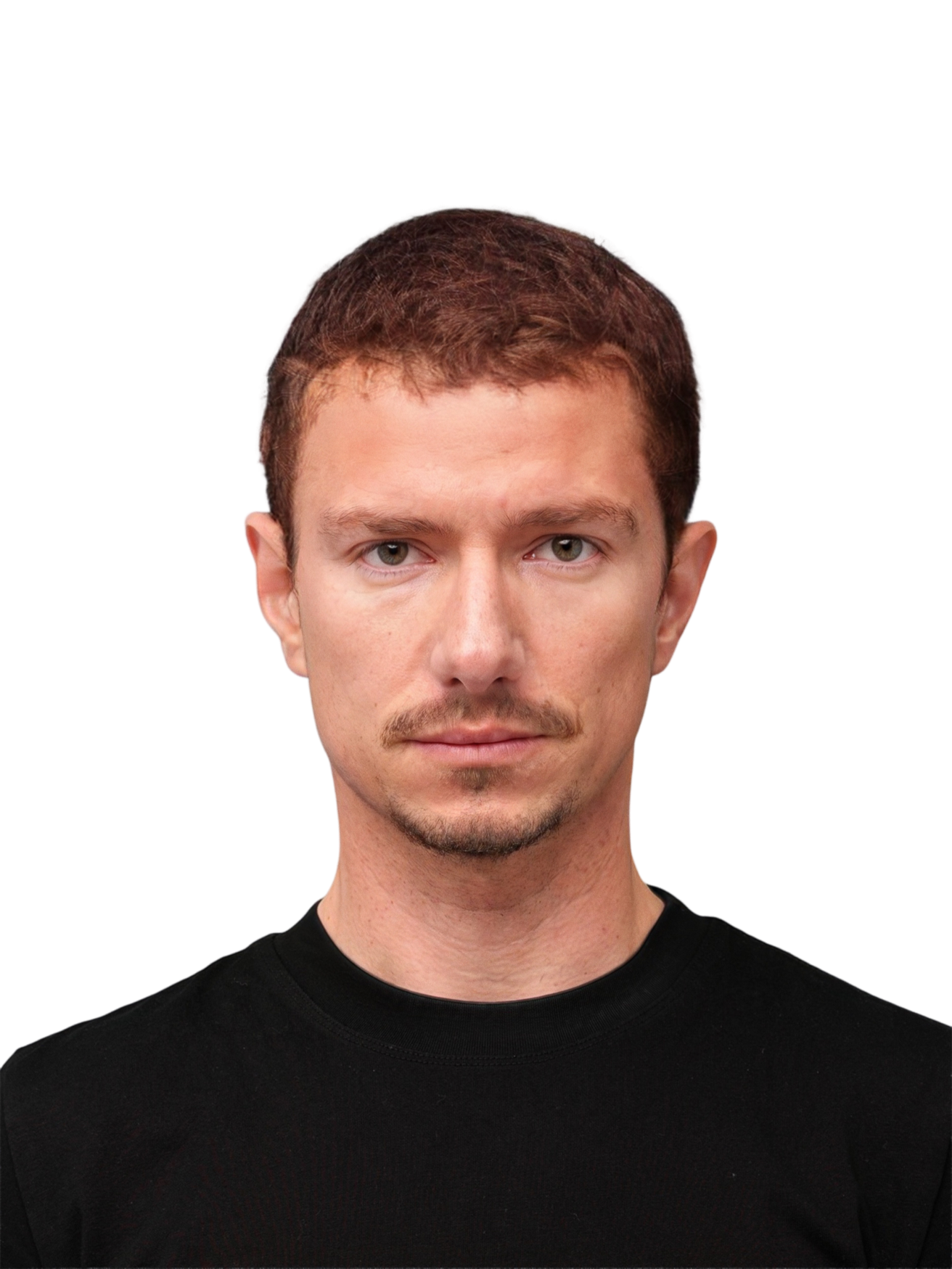
Before
Projection
THE BUY MOMENT
We read the brain’s reward and hesitation signals second by second and mark the moment intent tips over, so you can front-load what works and cut what leaks.
Every read is scored against a model trained on real fMRI brain data, so the buy moment is measured, not guessed.
The peak seconds intent-to-buy spikes
Reward vs. hesitation, scored per second
The exact line that triggers the decision
What to move earlier, and what to cut

THE FULL READOUT
One scan. Every signal the brain fires, decoded second by second.
How long the brain stays locked in — second by second.
Every neural signal firing across the whole clip.
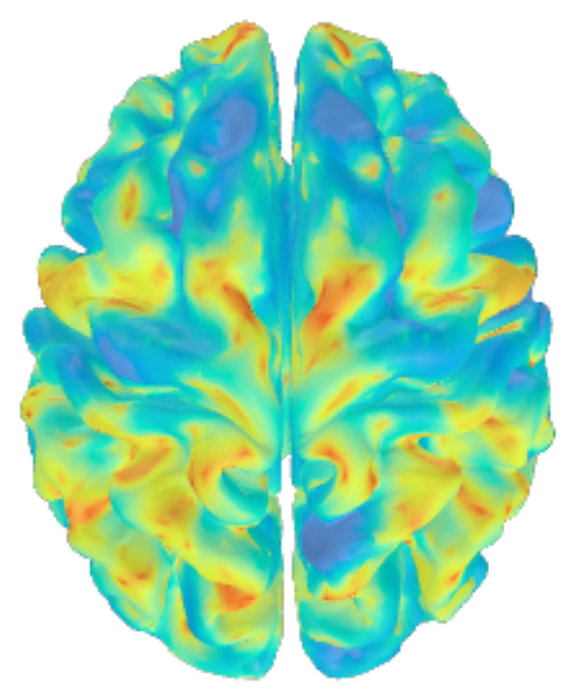
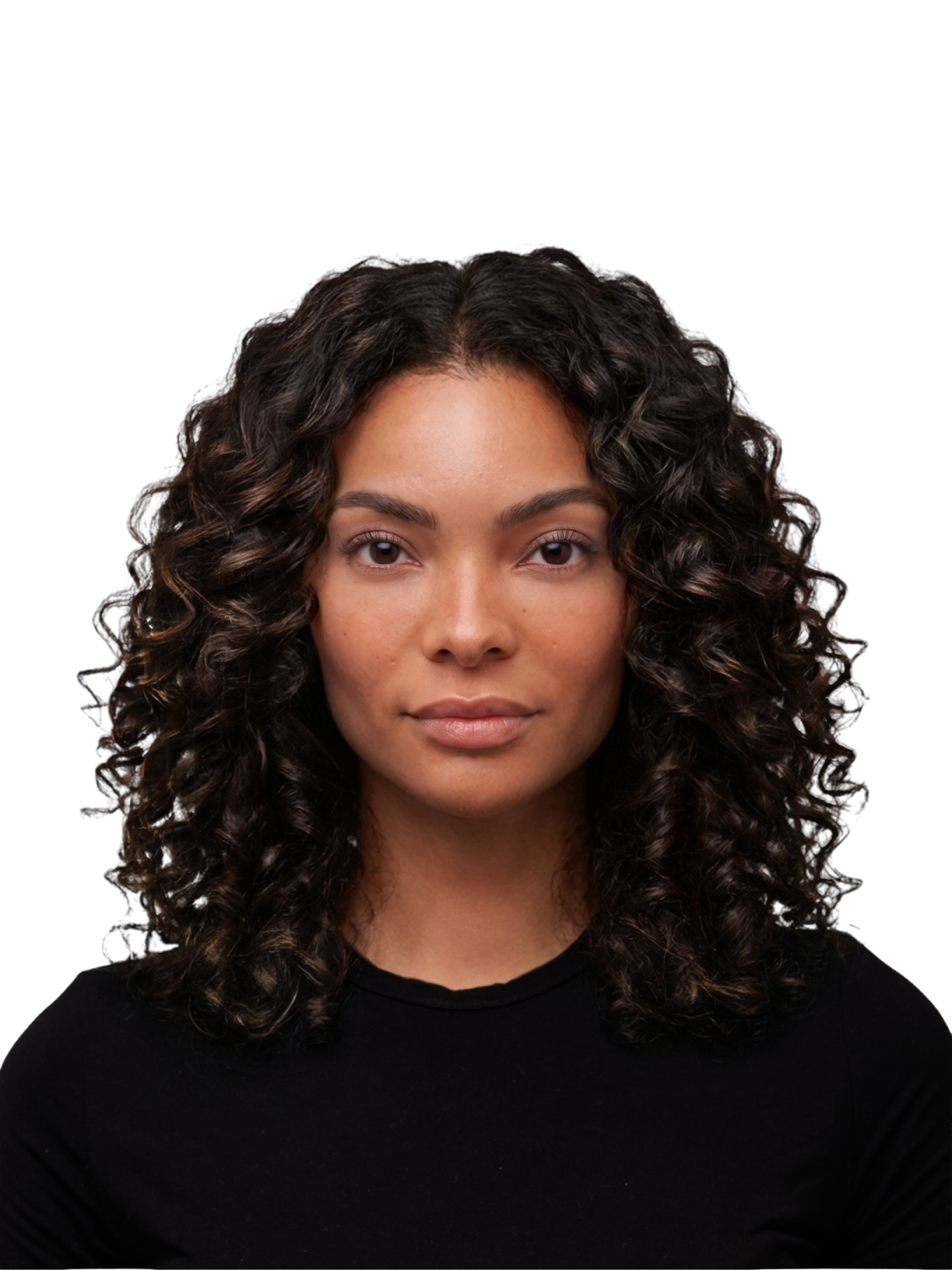
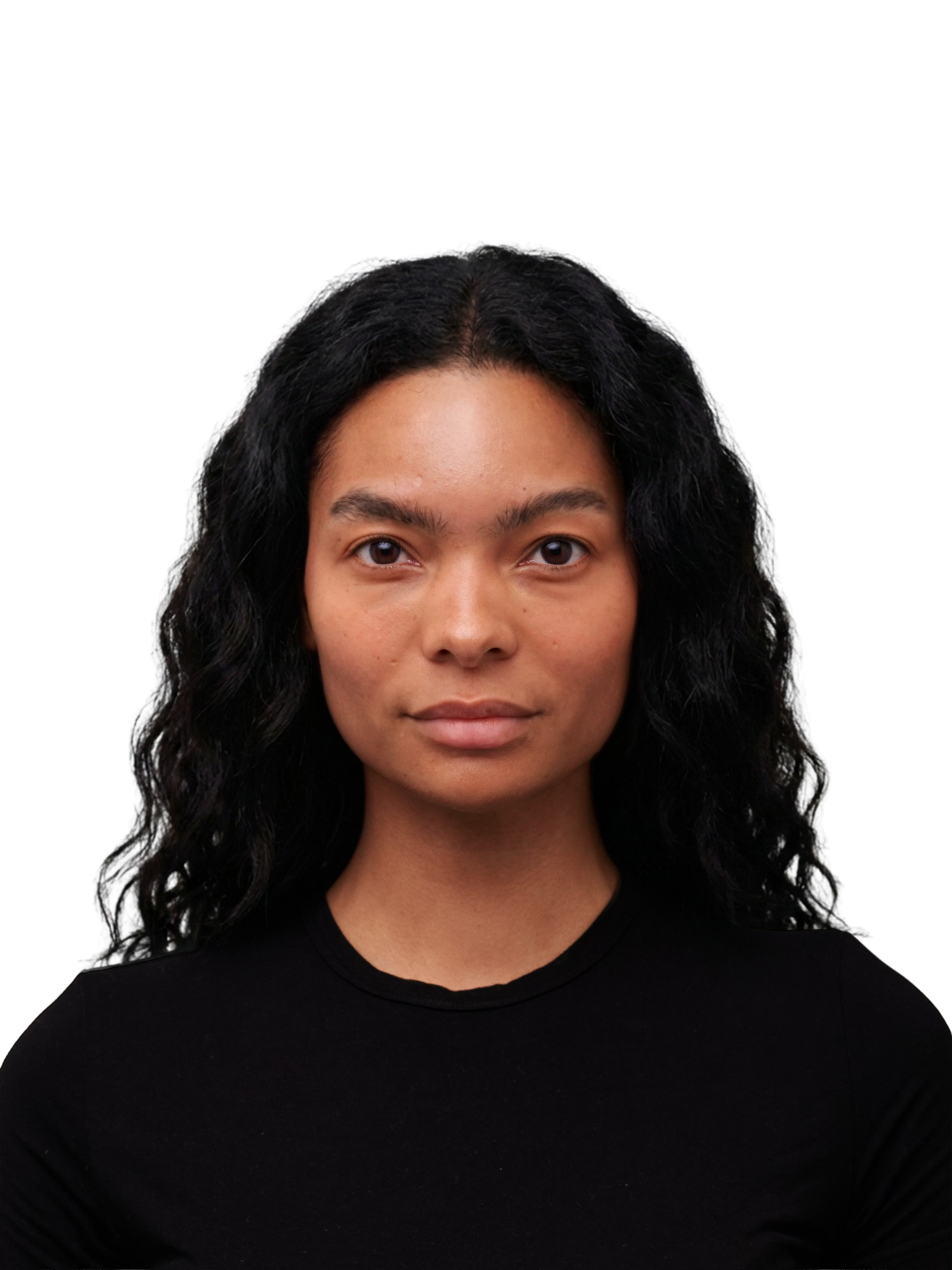
The exact seconds intent-to-buy spikes.
Ask why — every answer grounded in this scan's own numbers.
Qoves is disruptive and eliminates so much of the bluster in the aesthetics space.
Jonathan Zelken, MD
The Deliverable
Real output from a 30 second ad. The model scores every signal, second by second.
2M+
Followers
Recommended by Leading Doctors
Supported by world-renowned experts.
Surgery-Free
Proven recommendations, no surgery required.
100% Personalized
Every recommendation is tailored to you.
Science-Backed
Based on the latest research.
The following tests are included in your Qoves analysis.
8 Tests Available
First Impression
The immediate perception others form based on your facial appearance — often within milliseconds and before any interaction takes place.
Facial Masculinity
How strong, angular, or traditionally "masculine" your facial features appear.
Facial Femininity
How soft, delicate, or traditionally "feminine" your facial features appear.
Facial Averageness
How closely your features match the typical or most common facial traits in your demographics.
Facial Proportions
How well the different parts of your face are sized and spaced in relation to each other.
Facial Symmetry
How closely the left and right sides of your face match.
Perceived Youthfulness
The impression of a person's age based on their appearance, regardless of their actual chronological age.
Face Shape
The overall outline of your face — such as oval, heart, square, or round.

14 Tests Available
Brow Shape
The overall curve or angle of your eyebrows.
Brow Thickness
How wide your brows appear from top to bottom.
Brow Position
How high or low your brows sit on your face.
Brow Color
The natural shade of your eyebrow hairs.
Brow Fullness
How dense and filled-in your brows look.
Brow Symmetry
How similar your left and right brows are in shape and size.
Brow Lift
The vertical distance between your brows and eyes, which affects how lifted your eyes appear.
Brow Tilt
The angle at which your brows slant — upward, downward, or straight.
Start Point
Where your brow begins near the center of your face.
End Point
Where your brow finishes, toward the outer side of your face.
Interbrow Distance
The space between your eyebrows across the bridge of your nose.
Tail Length
How far the outer end (tail) of your brow extends.
Tail Drop
Whether the brow tail gently slopes down, stays straight, or tilts upward.
Hair Direction
The natural direction in which your eyebrow hairs grow.

26 Tests Available
Eye Shape
The overall outline and form of your eyes, such as almond, round, or hooded.
Eye Size
How large or small your eyes appear overall.
Eye Width
The horizontal distance from the inner to outer corner of the eye.
Eye Height
The vertical opening of the eye, from the upper to lower eyelid.
Iris Color
The natural color of the circular part of your eye.
Eyes Symmetry
How similar your left and right eyes look in shape, size, and position.
Upper Eyelid Exposure
How much of the upper eyelid is visible when your eyes are open.
Upper Eyelid Fullness
The amount of volume or puffiness in the upper eyelid area.
Lower Eyelid Contour
The shape, curvature, and definition of the area beneath the eye
Under-Eye Health
The overall condition of the skin and structure under your eyes.
Under-Eye Pigmentation
The level of darkness or discoloration under the eyes.
Under-Eye Puffiness
Swelling or fullness beneath the eyes.
Under-Eye Hollowness
Sunken or hollow areas under the eyes that may create shadows.
Under-Eye Vascularity
Visibility of blood vessels under the eye skin.
Under-Eye Support
How well the area under the eye is structurally supported and filled.
Eyelash Fullness
How thick, dense, or long your eyelashes appear.
Eyelash Color
The natural color of your eyelashes.
Eye Depth
How far back or forward your eyes are set in your face.
Intercanthal Distance
The distance between the inner corners of both eyes.
Interpupillary Distance
The distance between the centers of your pupils.
Inner Eye Corner Shape
The shape of the inner corners of your eyes (sharp, rounded, or covered).
Outer Eye Corner Shape
The shape and tilt of the outer ends of your eyes.
Scleral Show
How much of the white part of your eye (sclera) is visible below the iris.
Scleral Color
The color and clarity of the white part of your eye.
Limbal Ring Visibility
How visible the dark ring around your iris is (a sign of youth and eye clarity).
Epicanthic Fold
A fold of skin covering the inner eye corner, common in many East Asian and other populations.

17 Tests Available
Nose Shape
The overall appearance and outline of your nose from the front and side.
Nose Width
How wide your nose appears across the base, typically from nostril to nostril.
Bridge Width
The width of the upper part of your nose along the bridge.
Nose Symmetry
How evenly the left and right sides of your nose match in shape and size.
Nostril Shape & Balance
The shape of your nostrils and how balanced they are on each side.
Tip Definition
How defined or rounded the tip of your nose looks.
Nostril Flare
How wide your nostrils flare outward from the base of the nose.
Tip Projection
How far the tip of your nose projects outward from your face in profile.
Nose Length
The overall vertical length of your nose from top to tip.
Bridge Height
How high or low the top of your nasal bridge sits on your face.
Nose Bridge Shape
The overall shape of your nasal bridge — straight, curved, or with a hump.
Columella Alignment
Whether the centerline of your nose (columella) is straight or tilted.
Septum Alignment
Whether your nasal septum (the internal divider) is aligned or deviated.
Tip Rotation
The direction your nose tip points — slightly up, straight, or downward.
Nasofrontal Angle
The angle between your forehead and the top of your nose.
Nasolabial Angle
The angle between the base of your nose and your upper lip.
Supratip Break
A slight natural dip or curve just above the tip of the nose on the bridge.

16 Tests Available
Lip Shape
The overall outline and contour of your lips, including how curved or straight they appear.
Lip Fullness
How plump or thin your lips look overall.
Upper / Lower Lip Ratio
The size relationship between your upper and lower lips.
Cupid's Bow Definition
The shape and sharpness of the dip at the center of your upper lip.
Lip Width
How wide your lips are across your face.
Lip Height
The vertical height of your lips from top to bottom.
Lip-to-Face Proportion
How your lips fit proportionally within the rest of your facial features.
Lip Projection
How far your lips stick out from your face in profile.
Oral Commissure Tilt
Whether the corners of your mouth turn slightly up, down, or stay level.
Philtrum Shape
The shape and depth of the vertical groove between your upper lip and nose.
Vermilion Definition
How clearly the border of your lips is defined.
Smoothness
The overall softness and evenness of your lips’ surface.
Lip Lines
Fine lines or creases on or around the lips.
Gloss and Hydration Level
How smooth, moisturized, or glossy your lips appear.
Natural Lip Color
The natural base color of your lips without makeup.
Lip Color Contrast
How much your lips stand out from your skin tone in terms of color contrast.

13 Tests Available
Cheekbone Projection
How much your cheekbones stick out from the side of your face.
Cheekbone Shape
The overall outline and structure of your cheekbones — sharp, round, or flat.
Cheek Definition
How clearly your cheekbones are defined and separated from the rest of your face.
Cheekbone Position
The vertical placement of your cheekbones on your face.
Cheek Curve
The natural curve or contour of your cheeks from the eyes down to the midface.
Cheek Height
How high or low your cheeks sit on your face.
Cheek Peak Position
The highest point of your cheek — where the cheekbone is most prominent.
Mid-Cheek Fullness
The amount of volume or fullness in the middle area of your cheeks.
Under-Cheek Hollowing
A hollow or sunken area just beneath the cheekbone.
Cheekbone Width
The overall width of your face across the cheekbones.
Cheek Volume Balance
How evenly volume is distributed across different parts of your cheeks.
Cheek-to-Jaw Balance
The size and shape relationship between your cheeks and jawline.
Cheek-to-Eye Distance
The distance between your cheekbones and your eyes — affects how supported or lifted the eyes appear.

11 Tests Available
Jaw Shape [Frontal]
The overall shape of your jaw when viewed from the front — square, tapered, or rounded.
Jaw Shape [Side]
The outline of your jaw when viewed from the side — sharp, sloped, or flat.
Jawline Definition
How clearly your jawline is defined and visible.
Jaw Width
How wide your jaw appears from side to side.
Jawline Length
The length of your jawline from the angle to the chin.
Jaw Height
The vertical height of the jaw, especially near the ear area.
Jawline Contrast
The level of contrast between your jawline and neck — more contrast creates a sharper look.
Jaw Symmetry
How similar the left and right sides of your jaw are in shape and size.
Jaw-to-Face Proportion
How well your jaw fits proportionally with the rest of your face.
Jaw-to-Cheek Ratio
The size relationship between your jaw and your cheekbones.
Jaw Flare Symmetry
Whether both sides of your jaw flare out equally or unevenly.

8 Tests Available
Chin Shape
The overall shape of your chin — rounded, pointed, square, or tapered.
Chin Projection
How far your chin sticks out from your face in profile.
Chin Width
The width of your chin from side to side.
Chin Height
The vertical height of your chin from the bottom of your lower lip to the bottom of your face.
Chin Contour
The overall curve or sharpness of your chin’s outline.
Chin Fullness
The amount of volume or fullness at the front of the chin.
Chin Dimple
A visible dip or indentation in the center of the chin.
Chin Inclination
The angle at which the chin projects typically observed from the side profile.

13 Tests Available
Smile Shape
The overall curve and structure of your smile — wide, soft, curved, or straight.
Tooth Show (full smile)
How many teeth are visible when you smile fully.
Tooth Color
The natural shade and brightness of your teeth.
Tooth Alignment
How straight or aligned your teeth are.
Smile Symmetry
How evenly both sides of your smile match in shape and movement.
Mouth Corner Lift
How much the corners of your mouth lift when you smile.
Tooth Show (rest)
How many teeth are visible when your face is at rest.
Gum Visibility
How much of your gums show when you smile.
Smile Width
How wide your smile stretches across your face.
Lip Line Position
How high your upper lip rises when you smile.
Buccal Corridors
The dark spaces that appear at the corners of your mouth when you smile.
Duchenne Activation
Whether your smile involves the eyes, signaling genuine emotion.
Dynamic Wrinkle Formation
Wrinkles or lines that form around your face when you smile.

11 Tests Available
Neck Shape
The overall contour and outline of your neck.
Neck Definition
How clearly your neck is defined and separated from your jawline.
Submental Fat
The amount of fat or fullness under your chin (often referred to as a double chin).
Neck Firmness
How tight and smooth the skin on your neck appears.
Neck Taper
How gradually your neck narrows from the jaw to the base.
Neck Length
How long or short your neck looks from the chin to the collarbone.
Neck Width
How wide your neck appears when viewed from the front.
Neck Posture
The alignment and positioning of your neck in relation to your head and shoulders.
Skin Texture & Tone
The quality of your neck skin — including smoothness, clarity, and even tone.
Muscle Definition
Visibility of neck muscles, especially during movement or in leaner necks.
Adam’s Apple Visibility
How noticeable the Adam’s apple is — more prominent in some individuals, especially men.
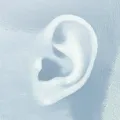
12 Tests Available
Ear Shape
The overall outline and structure of your ears.
Ear Size
How large or small your ears appear relative to your head.
Ear Projection
How far your ears stick out from the sides of your head.
Ear Angle
The angle at which your ears tilt away from your head.
Ear Placement
Where your ears sit on your head in relation to your eyes and nose.
Ear Height
The vertical length of your ears from top to bottom.
Ear Width
The width of your ears from front to back.
Ear Symmetry
How similar your left and right ears are in size, shape, and position.
Helix Shape
The shape and curve of the outer rim of your ear.
Antihelix Shape
The inner Y-shaped ridge of your ear that adds depth and structure.
Earlobe Shape
The shape and size of your earlobes — attached, free, or in between.
Ear Bowl Shape
The hollow central area of your ear that sits just above the earlobe.

20 Tests Available
Skin Tone
The overall lightness or darkness of your skin.
Skin Undertone
The underlying hue of your skin — warm, cool, or neutral.
Skin Smoothness
How soft and refined your skin feels and looks.
Evenness
How evenly colored and consistent your skin appears overall.
Acne
Visible pimples, blackheads, or breakouts on the skin.
Acne Scarring
Marks or indentations left behind from past acne.
Hyperpigmentation
Areas of the skin that are darker than your natural tone.
Dark Spot Concentration
Where darker spots are clustered or most noticeable on your face.
Blemishes
Small imperfections like pimples, marks, or uneven areas.
Redness
Pink or red tones caused by irritation, sensitivity, or inflammation.
Sun Damage
Visible signs of sun exposure, like spots or rough texture.
Pore Visibility
How visible your pores are across the skin’s surface.
Pore Size
The size of your pores — larger pores can appear more noticeable.
Fine Lines
Small, shallow lines that are early signs of aging or dryness.
Wrinkles
Deeper folds or lines that come with aging or repeated expressions.
Skin Texture
The overall pattern of your skin’s surface — smooth or uneven.
Roughness
Areas that feel or look rough, dry, or flaky.
Scarring
Scars unrelated to acne, often from injury or surgery.
Vascular Visibility
Visible blood vessels or redness caused by broken capillaries.
Oiliness
The level of natural oil your skin produces, which can affect shine and texture.
HOW IT WORKS
No panels. No surveys. A model trained on real fMRI brain data reads your creative the way a human brain does — in seconds.
Drop in any ad, video, or piece of content — a link or a file. That’s the whole setup.
A model trained on real fMRI brain data reads it second by second, mapping attention, emotion, memory and intent as they fire.
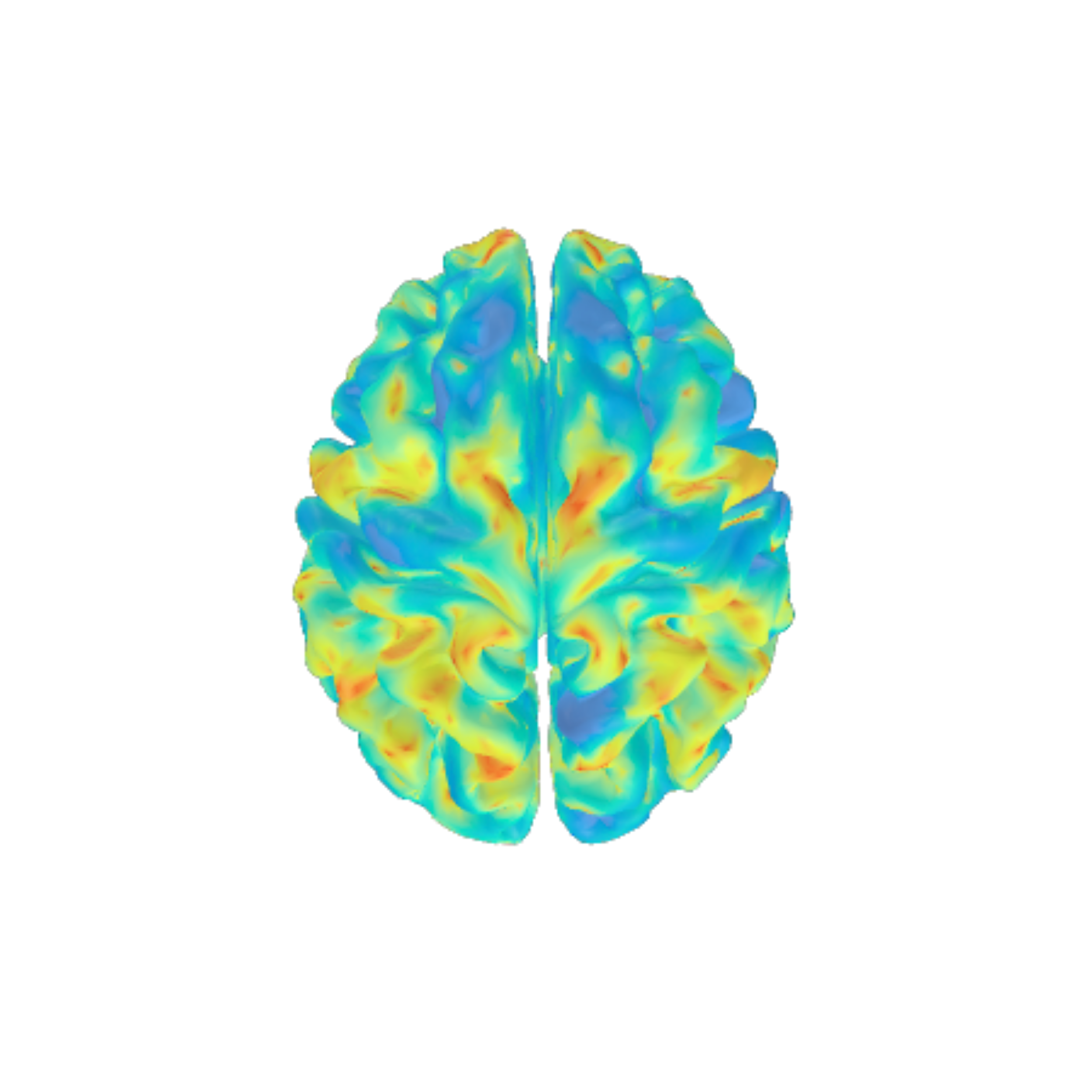
Get the full neural readout — where attention holds, the exact second they decide to buy, what to cut — and optimize for the result you want.
Advisors
Built with input from the leaders shaping modern aesthetics.
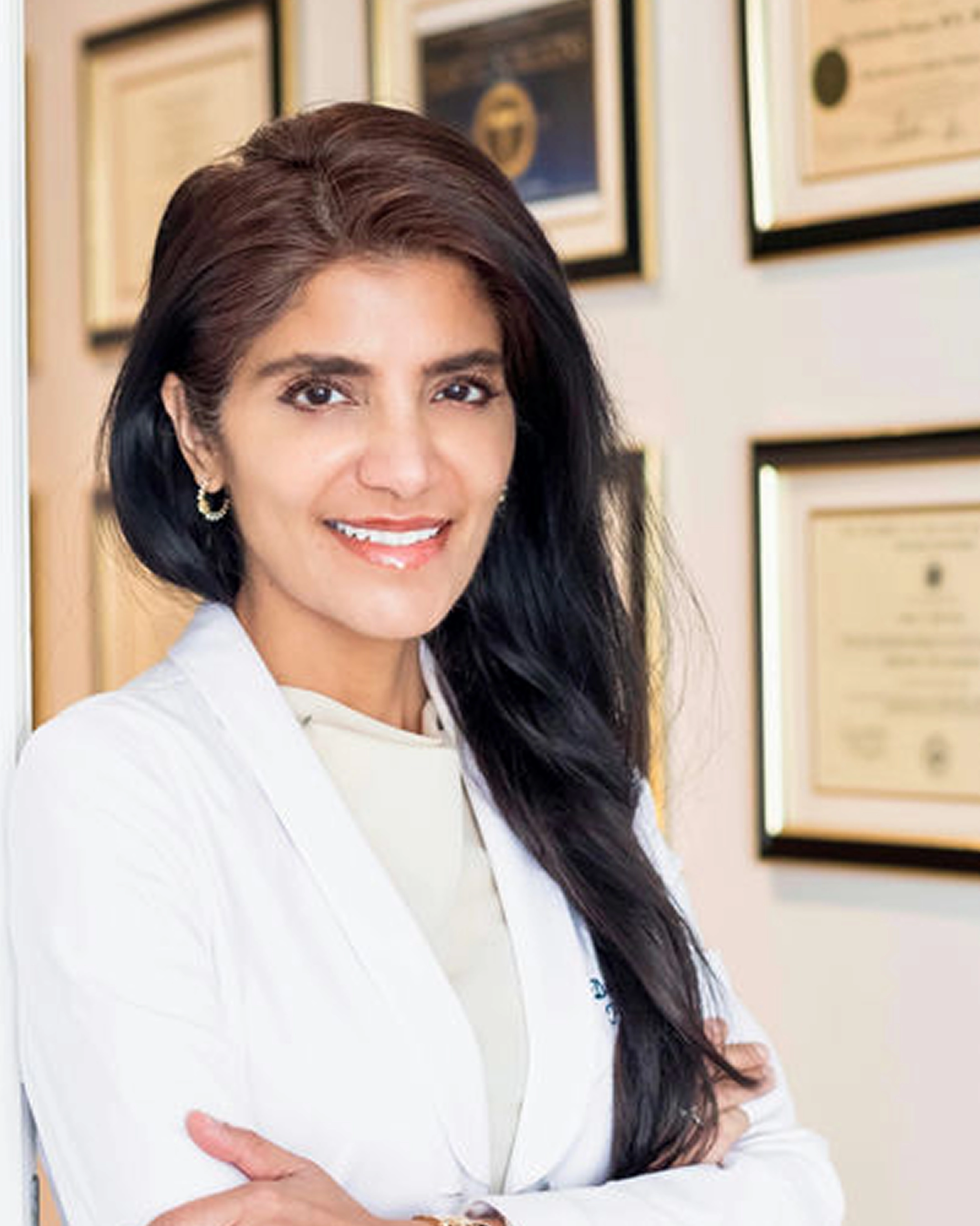
Top board-certified female plastic surgeon in New York, Founder of Dr. Devgan Scientific Beauty, Vogue & Elle Beauty Board, Former RealSelf CMO, Yale Sterling Fellow, NIH Scholar

The only U.S. plastic surgeon with six active board certifications
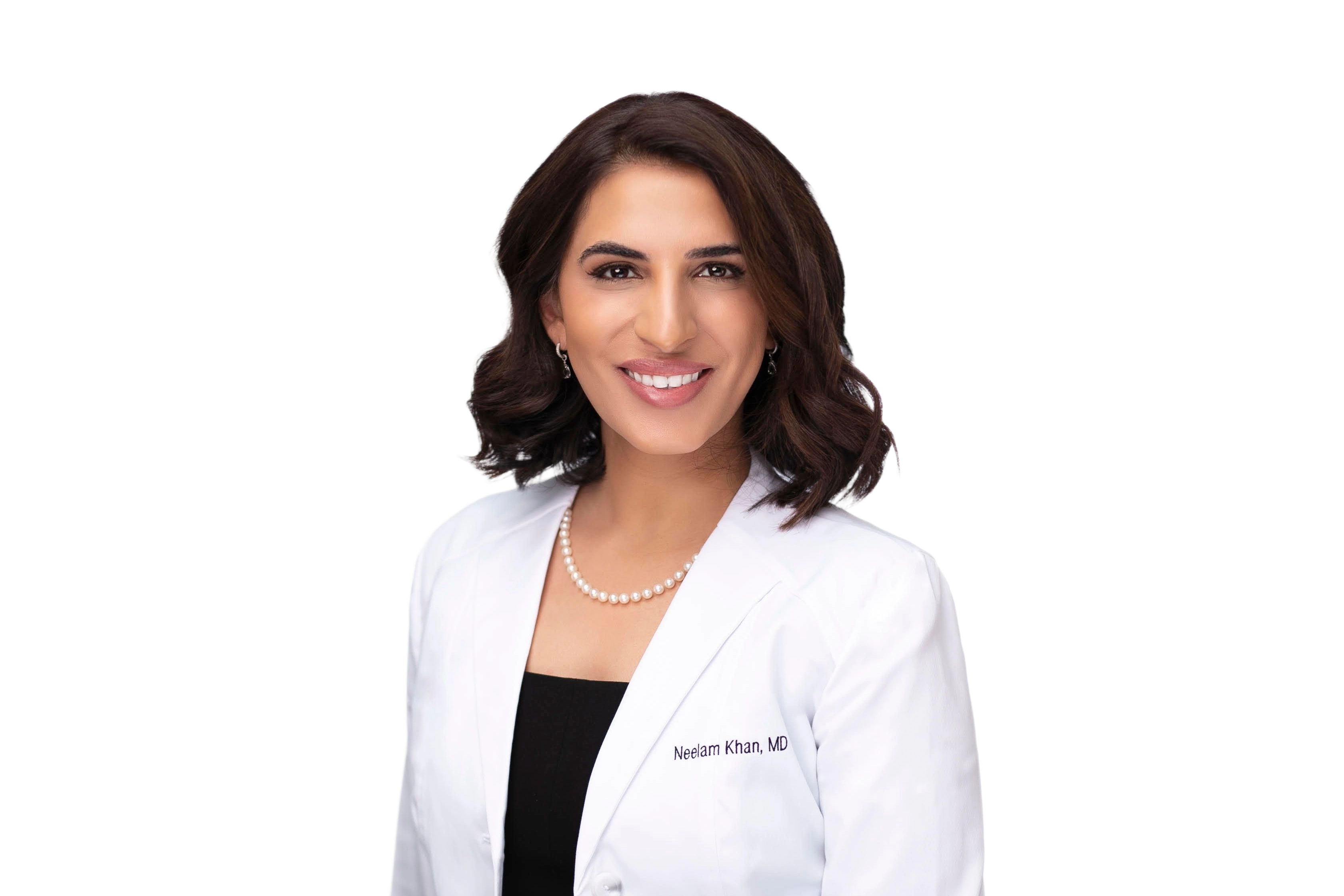
Founder of Neely Dermatology & Aesthetics, Clinical Assistant Professor at Georgetown University

Editorial Board member of the Aesthetic Surgery Journal, Sherrell Aston Award recipient
Founder of SRGN and Aesthetic Intelligence, educator to 4,000+ aesthetic professionals
ISHRS Communications & Public Education Committee Member, Founder of Feel Confident, Former Adjunct Assistant Professor at NYU
Founder of Celebrity Plastics, Vice-Chair of the ASPS Social Media Subcommittee

Associate Clinical Professor at the University of Hawaii JABSOM School of Medicine
Johns Hopkins–trained plastic surgeon, CEO and Medical Director of Zelken MD

Founder of Longevity Level 1, 2, 3 Protocol, King's College London Medical Doctor
Technology
Our tech and expertise create a personalized, science-backed plan. No guesswork, just smart, personalized advice to help you become the best-looking version of yourself.
We use state-of-the-art landmarking technologies to map 521 facial points of your face, delivering a detailed facial analysis.
We consider your ethnicity, age, location, lifestyle, and budget. Every glow-up plan is unique.

Diagnosia analyzes your face based on more than 160+ aesthetic tests.
Every analysis is carefully reviewed by our team to ensure quality, consistency, and clarity.
Summary of your eyes
Eye Tilt
Downturned
Eyelid Exposure
Moderate
Eye Shape
Almond
Undereye Health
Suboptimal
Typical roundness
Your eyes have a curvature value of 0.23 whereas the average for your demographic is 0.21. They are as rounded as expected.
Analysis of your eye shape
We analyze your eye shape to understand how it impacts your aesthetics and overall attractiveness.
Inner Corner [b]
Medial Canthal Tilt
Upper Eyelid [a]
Rounded
Inner Corner [b]
Medial Canthal Tilt
Outer Corner [C]
Tapered Crease
Eyelid Contour [D]
Elongated Shape
Outer Corner [C]
Tapered Crease
Typical roundness
Your eyes have a curvature value of 0.23 whereas the average for your demographic is 0.21. They are as shapely and rounded as expected.
Background
Learn about how your features might reflect your ancestry.
1
High cheekbones are often linked to Northeast Asian ancestry, providing protection against cold.
2
Deeper-set eyes and strong brow ridges are typical in Northern Europeans, aiding in harsh winter light.
3
Broader noses are common in humid climates like tropical Africa, while narrower noses are found in cold, dry areas.
4
About 50% of East Asians have double eyelids, with higher prevalence in northern Korea and Japan.
5
Facial width-to-height ratios differ by region; East Asians generally have wider faces compared to Europeans.
“I am excited to be partnering with Qoves, an innovative state of the art facial analysis system that I believe is the future of the aesthetic medicine”
The API
The same readout, straight from your pipeline. Send a video URL, poll the scan, read every signal per second.
$ curl /api/v1/scans \
-d '{"video_url": "ad.mp4"}'POST a video URL or file with your API key. No SDK required, it is plain HTTPS.
$ curl /api/v1/scans/abc123

{"status": "processing"}A model trained on real fMRI brain data reads attention, emotion, memory and intent as they fire.
{"score": 71,
 "attention":  [64, 66, …],
 "buy_intent": [22, 31, …],
"transcript": […]}The response carries the full per-second readout. Pipe it into your dashboard, your agent, or your ad rotation.
Pricing
A real fMRI ad study runs five figures. You get the readout for $49 a month, API key included.
Score 50 ads or pieces of content a month against real human brain responses.
Per-second activation, predicted attention, and buy-moment timelines for every scan.
Your key works from the dashboard, your terminal, or your coding agent.
Scan variations of the same ad and see which one the brain responds to.
Founding members get onboarding and answers straight from the team.
Sapient Starter
Quick install
Connect Sapient to any MCP-capable agent in one command.
$ npx -y @thesapientcompany/mcpNo key needed to try the demo.
Run it once — your agent gets scan, score, and readout tools, plus a keyless demo to try first.
Claude Code, Codex, Cursor, Windsurf. Anything that speaks MCP.
Create an account, join as a Founding Member, and your API key is waiting in the dashboard.
$ npx -y @thesapientcompany/mcp
“I'm excited to advance the science of beauty with QOVES and deepen our empirical understanding of how to improve facial attractiveness.”
Your Questions
If you have any further questions, please use the chat box in the bottom right or contact us by email at hello@qoves.com.
Qoves is the world’s best platform to improve your looks and achieve a real facial transformation without surgery. We provide you, from the comfort of your home, with a personalized facial analysis and transformation plan based on your unique features.
Qoves is for anyone who wants to improve their looks with science-based methods, without surgery.
Upon joining, you’ll receive:
You’ll receive an updated version of all the above once a year to make sure you maintain your results and stay the best-looking version of yourself for years to come.
ChatGPT and other AI assistants can offer general guidance on aesthetics. But general is all they can offer.
Large language models have no ability to place landmarks on your face, measure skin texture, or perform the 100+ aesthetic tests that form the foundation of a Qoves analysis. They rely on broad pattern recognition and outdated frameworks like the golden ratio, which modern aesthetic science has long moved past. And because they have no understanding of your specific demographics, bone structure, or skin characteristics, their output is inherently generic.
The same limitation applies to AI-generated visualizations. Ask an LLM to adjust your brow shape and it will subtly alter your eyes, nose, and skin tone in the process (identity loss). The result looks convincing but simply isn’t an accurate representation of what your face would actually look like.
At Qoves, we use tools like Claude to help articulate findings clearly. But the analysis itself, every measurement, every test, every protocol, is powered by proprietary models built over years of dedicated research, combined with the hands-on expertise of our team.
If you want quick, free answers to aesthetic questions, ChatGPT is a reasonable starting point. But if you are looking for the gold standard in aesthetic planning, Qoves is in a different category entirely.
It takes up to 28 days from the moment you upload your photos for our team to prepare your analysis and protocol.
This is an ongoing service that you can cancel at any time. After your initial plan, you'll receive updated protocols, analyses, and visualizations every year. You’ll also have unlimited access to message our care team support whenever you need.
Once a year to update your analysis, review your protocol, and track your progress.
We don’t rely on filters or gimmicks. We’ve trained our models to achieve best-in-class precision in three main areas:
We landmark 512 points of your face, allowing us to perform precise assessments of your facial features.
Our visualizations are designed to be realistic, showing you a preview of what your face would look like with different changes.
Our recommendations are based on 450+ evidence-based methods to improve attractiveness.
Yes. The many small changes we recommend, combined together, compound to produce dramatic results. Every transformation you see on this page can be achieved without surgery and, for most people, surgery is unnecessary and often counterproductive. Everyone can maximize their attractiveness and achieve impressive results without surgical intervention.
Your Questions
Most insecurity comes from uncertainty, not knowing if your concerns are real or imagined. When you're guessing about your appearance, your mind often makes things seem worse than they are.
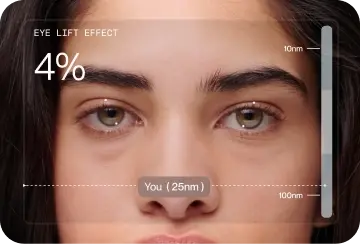
Many features you might worry about are actually positive traits. Our analysis often helps people appreciate aspects of their face they used to dislike.
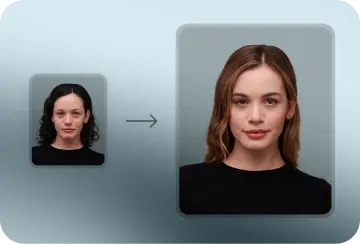
For example, slight facial asymmetry is perfectly normal-everyone has it and it should not be corrected. But if uneven skin tone is making you self-conscious, that's something we can help improve.
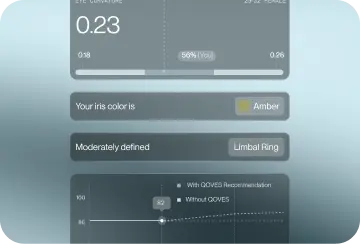
Takes into account genetic factors and how they might impact your facial appearance.
Many feel guilty about wanting to improve their looks, fearing it means they’re shallow or insecure. But here's what research tells us : caring about appearance is natural. Like health, finances, and education, it’s just another form of self-improvement.
First impressions matter
It has a considerable impact on interpersonal interactions
Small improvements can drastically impact quality of life
Not chasing unrealistic standards
Not trying to look like someone else
Not seeking perfection
Aiming only for a better version of yourself